Gastroparesis
Gastroparesis and the Link with GLP-1 Drugs
Gastroparesis is a gastrointestinal disorder characterized by impaired or delayed emptying of the stomach contents into the small intestine. This condition, which can significantly affect an individual’s quality of life, arises from dysfunction in the muscles or nerves responsible for stomach contractions. In recent years, there has been growing concern about the potential link between certain medications, particularly GLP-1 drugs used in the treatment of diabetes and weight loss, and an increased risk of developing gastroparesis. In this exploration, we will delve into the intricacies of gastroparesis, its causes, symptoms, diagnosis, and the controversial association with GLP-1 drugs namely Ozempic, Wegovy, Mounjaro, Zepbound, and others.
Causes of Gastroparesis
1. Diabetes-Related Gastroparesis
The most common cause of gastroparesis is diabetes mellitus. Prolonged high levels of blood sugar can damage the vagus nerve, which controls the stomach muscles, leading to impaired stomach contractions.
2. Idiopathic Gastroparesis
In cases where the cause is unknown, it is referred to as idiopathic gastroparesis. Researchers believe that this form may be linked to damage or dysfunction of the nerves or muscles in the stomach.
3. Post-Surgical Gastroparesis
Surgeries involving the upper digestive tract, especially those that damage the vagus nerve, can result in gastroparesis as a complication.
4. Viral Infections
Infections such as herpes simplex virus or Epstein-Barr virus can affect the nerves in the digestive system, potentially leading to gastroparesis.
5. Medications
Certain medications, including opioid pain medications, certain antidepressants, and high blood pressure medications, have been associated with an increased risk of gastroparesis.
Symptoms of Gastroparesis
The symptoms of stomach paralysis can vary in severity and may include:
- Nausea and Vomiting: Delayed stomach emptying can cause persistent nausea, and vomiting may occur several hours after eating.
- Abdominal Pain: Discomfort or pain in the upper abdomen, often described as a dull ache or feeling of fullness.
- Heartburn or Acid Reflux: Regurgitation of stomach acid into the esophagus due to delayed emptying can cause heartburn and acid reflux.
- Weight Loss: Difficulty in consuming enough food can lead to unintentional weight loss.
- Fluctuations in Blood Sugar Levels: Individuals with diabetic gastroparesis may struggle to control blood sugar levels due to impaired nutrient absorption.
Diagnosis of Gastroparesis
Diagnosing stomach paralysis involves a combination of medical history assessment, physical examinations, and specialized tests. Some of the diagnostic methods include:
01 Gastric Emptying Scintigraphy
This non-invasive test involves consuming a small meal containing a radioactive substance, and a gamma camera tracks its movement through the digestive system to assess stomach emptying.
02 Gastric Manometry
This invasive test measures the pressure and contractions of the stomach muscles by inserting a thin tube through the nose and into the stomach.
03 Blood Tests
Blood tests may identify underlying conditions contributing to gastroparesis, such as diabetes or infections.
04 Upper Endoscopy
This procedure involves inserting a tube with a camera into the stomach through the mouth to visually inspect the stomach lining and rule out other potential causes.
Treatment Options for Gastroparesis
Dietary Modifications
Medications
Botulinum Toxin Injections
Electrical Stimulation
Surgical Interventions
Dietary Modifications
Eating small, frequent meals low in fat and fiber can aid digestion. Liquid meals or nutritional supplements may be recommended to ensure adequate nutrient intake.
Medications
Prokinetic medications like metoclopramide or erythromycin may be prescribed to stimulate stomach contractions and facilitate emptying. Antiemetic drugs can help control nausea and vomiting.
Botulinum Toxin Injections
In some cases, injections into the pyloric sphincter may be considered to improve stomach emptying.
Electrical Stimulation
Gastric electrical stimulation involves placing a device under the skin to deliver electrical pulses to the stomach muscles, promoting contractions.
Surgical Interventions
In severe cases, surgical options such as gastric bypass or jejunostomy may be considered when other treatments are ineffective.
The Controversy: GLP-1 Drugs and Gastroparesis
GLP-1 Drugs Overview
Purpose and Mechanism: Glucagon-like peptide-1 (GLP-1) receptor agonists are a class of medications used to treat type 2 diabetes. They work by stimulating the release of insulin and inhibiting glucagon, leading to improved blood sugar control.
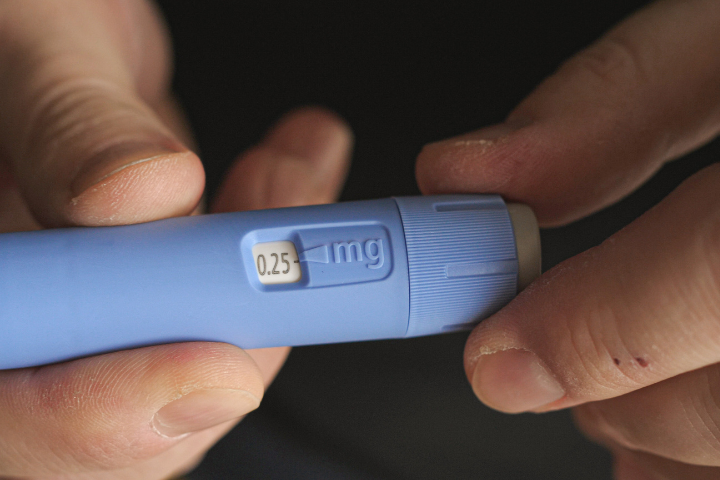
Popular GLP-1 Drugs: Examples of GLP-1 drugs include exenatide, liraglutide, dulaglutide, semaglutide and tirzepatide. Popular name brands being Ozempic, Wegovy, Mounjaro or Zepbound.
Potential Link Between GLP-1 Drugs and Gastroparesis:
- Gastrointestinal Effects: GLP-1 receptors are found not only in the pancreas but also in the gastrointestinal tract, including the stomach. Stimulation of these receptors can affect gastric motility.
- Clinical Studies: Some studies have suggested that GLP-1 drugs may slow down gastric emptying, potentially contributing to the development or worsening of gastroparesis in susceptible individuals.
- Regulatory Warnings: Regulatory agencies such as the U.S. Food and Drug Administration (FDA) have required warnings on the labels of certain GLP-1 drugs regarding the potential risk of delayed gastric emptying.
Balancing Benefits and Risks:
- Blood Sugar Control: GLP-1 drugs are effective in improving blood sugar control, which is crucial for managing diabetes and preventing complications.
- Individual Risk Factors: The potential link between GLP-1 drugs and gastroparesis emphasizes the importance of considering individual risk factors, including a patient’s medical history, existing gastrointestinal conditions, and overall health.
Monitoring and Awareness:
- Patient Monitoring: Healthcare professionals prescribing GLP-1 drugs should be vigilant in monitoring patients for signs and symptoms of gastroparesis.
- Patient Education: Patients prescribed GLP-1 drugs should be educated about the potential risks and symptoms of gastroparesis, encouraging them to report any digestive issues promptly.
Gastroparesis – Risks Continue to Be Discovered
Gastroparesis is a complex gastrointestinal disorder with various underlying causes, and its management requires a comprehensive approach. While there is ongoing research into the potential link between GLP-1 drugs and an increased risk of gastroparesis, these medications remain valuable for managing diabetes. Balancing the benefits of glucose control with the potential risks requires careful consideration of individual factors. As medical knowledge advances, continued research will contribute to a deeper understanding of the increased risks of GLP-1 drug usage and gastroparesis.