Side Effects of Ozempic
What is Ozempic?
Ozempic, a brand name for semaglutide, is a glucagon-like peptide-1 (GLP-1) receptor agonist used in the management of type 2 diabetes. While this medication made by Novo Nordisk, has proven effective in improving blood sugar control and promoting weight loss, it comes with potential side effects. In this comprehensive exploration, we will delve into the known side effects of Ozempic, their prevalence, and the importance of balancing the benefits of the medication with potential risks.
Understanding Ozempic and its Mechanism of Action
Before delving into the side effects, it’s crucial to understand the primary purpose and mechanism of Ozempic. As a GLP-1 receptor agonist, Ozempic mimics the action of the natural hormone GLP-1, which plays a role in regulating blood sugar levels. By binding to GLP-1 receptors, Ozempic stimulates insulin release, inhibits glucagon secretion, and slows down gastric emptying. Additionally, it promotes a feeling of fullness, contributing to weight loss in some individuals.
Ozempic and Gastroparesis (Stomach Paralysis) – Increased Risk
Ozempic (semaglutide) is a glucagon-like peptide-1 (GLP-1) receptor agonist commonly used to treat type 2 diabetes. One potential concern when taking medications like Ozempic in individuals with gastroparesis is the potential for exacerbating gastrointestinal issues.
Gastroparesis is a condition characterized by delayed emptying of the stomach, which can result in symptoms such as nausea, vomiting, bloating, and abdominal discomfort. GLP-1 receptor agonists, including Ozempic, have been associated with slowing gastric emptying as part of their intended mechanism of action.
- What is Ozempic?
- Understanding Ozempic And Its Mechanism Of Action
- Ozempic and Gastroparesis (Stomach Paralysis) – Increased Risk
- Side Effects of Ozempic
- Balancing Benefits and Risks of Ozempic Side Effects
- Preventive Measures to Manage Ozempic Side Effects
- Ozempic Side Effects – More To Be Discovered with More Research
- Ozempic Side Effects Lawsuit
Side Effects of Ozempic
Gastrointestinal Disturbances
- Nausea: Gastrointestinal side effects are among the most common with Ozempic. Nausea is reported by a notable percentage of users, especially during the initial weeks of treatment.
- Vomiting: Some individuals may experience episodes of vomiting, particularly when starting Ozempic or if the dose is increased.
Abdominal Pain
Abdominal pain, often described as cramping or discomfort, can occur. It is typically mild to moderate in intensity.
Loss of Appetite
Ozempic’s impact on appetite regulation can lead to reduced food intake, contributing to weight loss. However, some individuals may find this effect more pronounced, leading to concerns about inadequate nutrition.
Hypoglycemia
While less common than with some other diabetes medications, Ozempic can cause low blood sugar levels, leading to symptoms such as shakiness, sweating, and confusion. This risk is higher when used in combination with other diabetes medications that can cause hypoglycemia.
Injection Site Reactions
As Ozempic is administered via subcutaneous injection, some users may experience mild redness or swelling at the injection site.
Thyroid Tumors in Animal Studies
In preclinical studies in rodents, Ozempic has been associated with an increased incidence of thyroid tumors. However, the relevance of these findings to humans is still under investigation.
Pancreatitis
While rare, cases of pancreatitis have been reported with Ozempic use. Individuals experiencing persistent, severe abdominal pain should seek medical attention promptly.
Kidney Impairment
Some individuals may experience changes in kidney function parameters. Regular monitoring of kidney function is recommended during Ozempic treatment.
Allergic Reactions
Although rare, severe allergic reactions such as anaphylaxis have been reported. Individuals with a history of hypersensitivity reactions should exercise caution.
Balancing Benefits and Risks of Ozempic Side Effects
The side effects associated with Ozempic underscore the importance of a balanced and individualized approach to its use. While some users may experience mild or transient side effects, others may find the benefits of improved blood sugar control and weight loss outweigh potential drawbacks. Healthcare providers play a crucial role in evaluating each patient’s medical history, current health status, and overall risk factors before prescribing Ozempic.
Preventive Measures to Manage Ozempic Side Effects
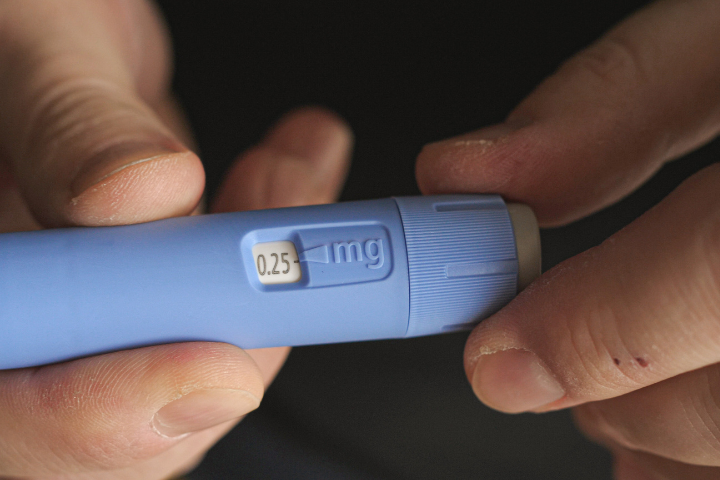
- Gradual Dose Escalation: Starting with a lower dose and gradually escalating may help minimize gastrointestinal side effects, particularly nausea.
- Monitoring Blood Sugar Levels: Regular monitoring of blood sugar levels can aid in managing the risk of hypoglycemia, especially when using Ozempic in combination with other diabetes medications.
- Hydration and Nutritional Support: Adequate hydration and nutritional support can help manage gastrointestinal symptoms, ensuring individuals maintain proper nutrition.
- Education on Recognizing Severe Side Effects: Patient education is crucial in empowering individuals to recognize and promptly report any severe side effects, such as pancreatitis or allergic reactions.
- Regular Follow-Up: Regular follow-up appointments with healthcare providers allow for ongoing monitoring of side effects and adjustments to the treatment plan as needed.
Ozempic Side Effects – More To Be Discovered with More Research
Ozempic has as an extremely popular drug in the management of type 2 diabetes, offering benefits such as improved blood sugar control and weight loss. However, like any medication, it is not without potential side effects. Gastrointestinal symptoms, hypoglycemia, and rare complications such as pancreatitis and thyroid tumors have been associated with Ozempic use.
The decision to prescribe Ozempic should be based on a thorough assessment of each individual’s health status, medical history, and risk factors, with ongoing monitoring and support provided by healthcare professionals. Off label use of Ozempic or any medicine for weight loss is potentially dangerous as in depth studies are still being conducted as to the dangers, risks and benefits. Patient education and collaboration between healthcare providers and individuals taking Ozempic are essential for optimizing treatment outcomes while minimizing potential risks. As research continues to deepen our understanding of this medication, it is likely that additional insights and refinements to its use will emerge, contributing to more personalized and effective diabetes management strategies.