Ileus
Ileus - What is it?
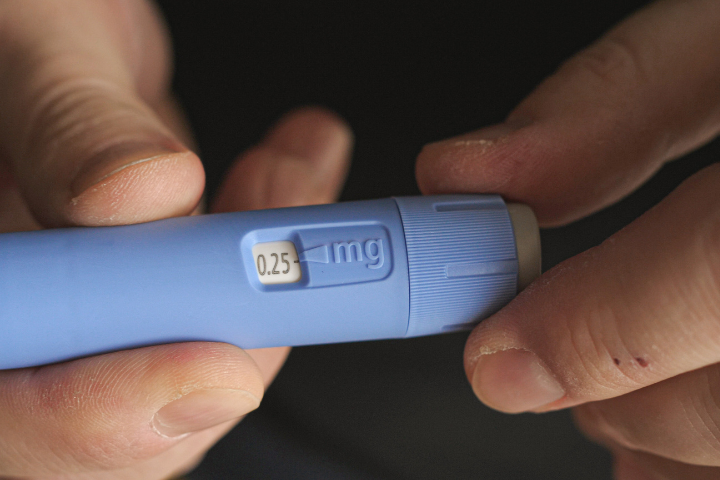
Ileus is a gastrointestinal disorder characterized by the partial or complete lack of movement in a portion of the intestine, leading to a disruption in the normal flow of contents through the digestive system. This condition can be caused by various factors, and recent attention has been drawn to the potential association between ileus and the use of GLP-1 drugs, a class of medications commonly prescribed for managing diabetes and weight loss (obesity). With the rise in popularity of these diet drugs and diabetes drugs such as Ozempic, Wegovy, Mounjaro, Zepbound, and others, so will the diagnoses of ileus sadly rise.
In this comprehensive exploration, we will delve into the intricacies of ileus, its causes, symptoms, diagnosis, and the evolving understanding of the relationship between GLP-1 drugs and an increased risk of this gastrointestinal complication.
Gastrointestinal adverse effects, including ileus, have been reported in some cases with the use of glucagon-like peptide-1 (GLP-1) receptor agonists. However, it’s important to note that such events are generally rare. Ileus refers to a serious condition in which the normal flow of intestinal contents is disrupted, leading to a blockage.
The prescribing information for GLP-1 receptor agonists typically includes a warning about the potential risk of gastrointestinal adverse reactions. These reactions may occur due to the effects of GLP-1 receptor agonists on the gastrointestinal system, such as slowing gastric emptying.
Types of Ileus
Mechanical Ileus
Caused by a physical obstruction in the intestine, such as a tumor, adhesions, or hernias.
Functional Ileus
Occurs when the muscles of the intestine are unable to propel contents forward, even without a physical obstruction. This type of ileus is often associated with surgery, inflammation, or other medical conditions.
Causes of Ileus
Surgery
Postoperative ileus is a common occurrence after abdominal surgeries. The manipulation of the intestines during surgery can temporarily disrupt normal peristaltic movements.
Inflammation
Conditions such as Crohn’s disease, diverticulitis, or infections can lead to inflammation in the intestines, causing a functional ileus.
Medications
Opioid pain medications are known to slow down bowel movements and can contribute to the development of ileus.
Electrolyte Imbalances
Disturbances in electrolyte levels, particularly low potassium, can affect the function of smooth muscles in the intestine.
Hernias and Adhesions
Physical blockages, such as hernias or adhesions (scar tissue), can mechanically obstruct the passage of contents through the intestines.
Symptoms of Ileus
- Abdominal Distension: The accumulation of gas and fluid in the blocked portion of the intestine can lead to abdominal swelling.
- Nausea and Vomiting: Due to the inability of the stomach to empty into the obstructed intestine.
- Constipation: Lack of bowel movements, or infrequent and incomplete bowel movements.
- Abdominal Pain: Crampy abdominal pain may be present, especially around the site of the obstruction.
- Absent or Diminished Bowel Sounds: A healthcare provider may use a stethoscope to listen for bowel sounds, which are reduced or absent in the presence of ileus.
Diagnosis of Stomach Paralysis
Diagnosing stomach paralysis involves a combination of medical history assessment, physical examinations, and specialized tests. Some of the diagnostic methods include:
01 Medical History and Physical Examination
The healthcare provider will inquire about symptoms, medical history, and perform a physical examination to assess abdominal tenderness and distension.
02 Imaging Studies
X-rays or CT scans of the abdomen can help identify the presence and location of an obstruction or signs of ileus.
03 Blood Tests
These may be conducted to check for signs of infection, electrolyte imbalances, or other abnormalities.
Treatment Options for Ileus
Nasogastric Tube
Fluid and Electrolyte Replacement
Medication
Surgery
Nasogastric Tube
Inserting a tube through the nose into the stomach can help decompress the intestines by removing accumulated gas and fluids.
Fluid and Electrolyte Replacement
Intravenous fluids and electrolyte supplementation may be administered to correct imbalances caused by vomiting and decreased oral intake.
Medication
Prokinetic medications may be prescribed to stimulate intestinal contractions and facilitate movement.
Surgery
In cases of mechanical obstruction, surgery may be necessary to remove the obstruction or repair the underlying cause.
The Controversy: GLP-1 Drugs and Ileus
GLP-1 Drugs Overview
GLP-1 Drugs Overview
- Purpose and Mechanism: Glucagon-like peptide-1 (GLP-1) receptor agonists are medications used to treat type 2 diabetes. They enhance insulin secretion, inhibit glucagon release, and slow down gastric emptying, contributing to improved blood sugar control.
- Common GLP-1 Drugs: Examples include exenatide, liraglutide, dulaglutide, and semaglutide.
Potential Link Between GLP-1 Drugs and Ileus:
- Gastrointestinal Effects: GLP-1 receptors are present not only in the pancreas but also in the gastrointestinal tract. Stimulation of these receptors can slow down gastric emptying and potentially affect intestinal motility.
- Clinical Studies: Some studies have suggested a potential association between the use of GLP-1 drugs and an increased risk of ileus. The exact mechanisms and the strength of this association are subjects of ongoing research.
- Regulatory Awareness: Regulatory bodies, including the U.S. Food and Drug Administration (FDA), have acknowledged the need for further investigation into the potential gastrointestinal risks associated with GLP-1 drugs.
Balancing Benefits and Risks:
- Diabetes Management: GLP-1 drugs are effective in improving blood sugar control, reducing the risk of complications associated with diabetes.
- Individual Risk Factors: The potential link between GLP-1 drugs and ileus underscores the importance of considering individual risk factors, including a patient’s medical history, existing gastrointestinal conditions, and overall health.
Monitoring and Awareness:
- Healthcare Provider Monitoring: Healthcare providers prescribing GLP-1 drugs should be vigilant in monitoring patients for signs and symptoms of ileus.
- Patient Education: Patients prescribed GLP-1 drugs should be educated about the potential risks and symptoms of ileus, encouraging them to report any digestive issues promptly.
Ileus Risks Will Continue to be Discovered
Ileus is a complex gastrointestinal condition that can result from various factors, and its management requires a tailored approach based on the underlying cause. While GLP-1 drugs have proven effective in managing diabetes, recent attention to their potential association with an increased risk of ileus warrants careful consideration. Balancing the benefits of glucose control with potential risks, particularly in individuals with specific risk factors, is crucial for both healthcare providers and patients. Ongoing research into the relationship between GLP-1 drugs and ileus will contribute to a more comprehensive understanding of this potential association, allowing for informed decision-making in diabetes management. As medical knowledge evolves, continued awareness and communication between healthcare providers and patients will play a pivotal role in optimizing treatment strategies and minimizing potential risks.